


Introduction
The global construction industry is going through a major transformation in 2025. Rising material costs, labour shortages, and growing demand for eco-friendly solutions are pushing the industry toward faster and smarter methods. As a result, modular construction trends are gaining strong momentum across residential, commercial, and industrial projects. Modern building methods such as factory-built construction and off-site construction are redefining how homes, hospitals, offices, and public infrastructure are created. From faster delivery to reduced waste, this shift is no longer a future theory—it has become a global reality.
What Is Modular & Prefab Construction?
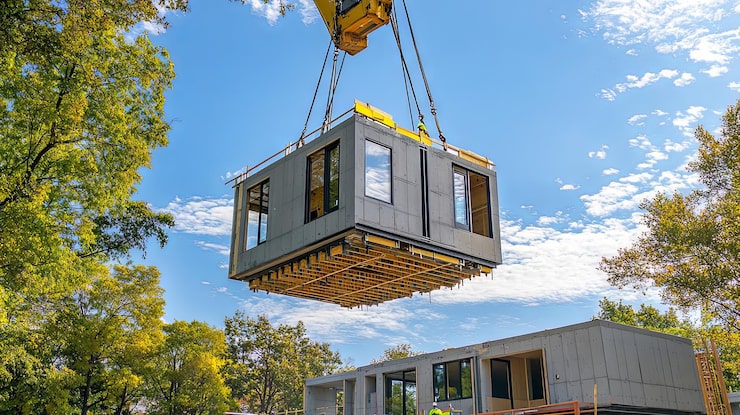
Modular construction is a modern building process where structures are manufactured in sections inside a controlled factory environment and then transported to the construction site for final assembly. This approach is widely known as off-site construction or factory-built construction.
Prefab buildings commonly include:
- Modular homes
- Prefab offices
- Portable hospitals
- Worker accommodation units
- Classroom blocks
- Retail and commercial buildings
This shift from traditional on-site building to industrialised techniques is accelerating global infrastructure development.
Top Modular Construction Trends in 2025
Several important modular construction trends are shaping the industry this year, including:
- Rising demand for urban housing
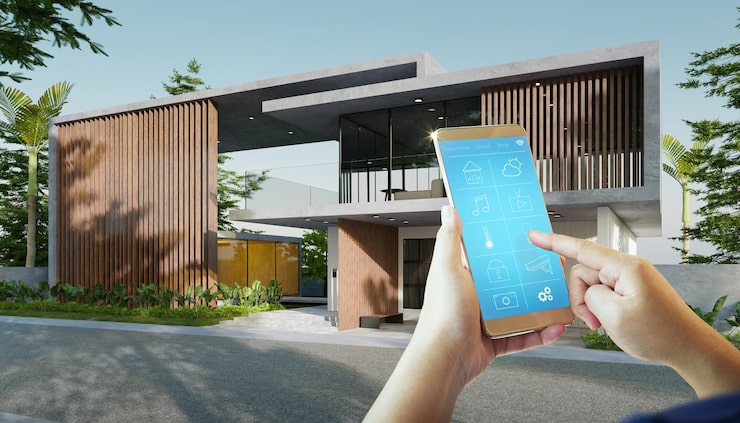
- Smart building automation
- Use of green construction materials
- Net-zero energy prefab homes
- AI-enabled factory production
- 3D printing integration
- BIM-based digital planning
These innovations are making factory-built construction faster, safer, and more precise.
Key Prefab Building Benefits Driving Industry Growth
The growing adoption of prefabricated methods is mainly driven by strong prefab building benefits, such as:
1. Faster Project Completion
Projects are often completed 30%–60% faster because site work and module manufacturing happen simultaneously.
2. Cost Control & Budget Stability
Factory production reduces labour dependency, material waste, and unexpected project delays, helping maintain predictable budgets.
3. Better Quality Standards
Controlled factory environments ensure higher consistency and improved structural quality.
4. Reduced Site Disturbance
With most work happening off-site, noise pollution, dust, and on-site disruption are significantly minimised.
5. Easy Expansion and Relocation
Prefab buildings can be relocated, modified, expanded, or reused, making them excellent for fast-growing infrastructure needs.
Why Off-Site Construction Is the Future
Off-site construction improves safety, efficiency, and project reliability. Since components are produced in factories:
- Workers operate under safer conditions
- Weather-related delays are eliminated
- Timelines remain more predictable
- Materials are protected from damage and theft
This controlled process is a major reason why modular construction trends are outperforming traditional construction methods in 2025.
Sustainable Modular Homes: Building for a Greener Tomorrow
The rise of sustainable modular homes is one of the strongest growth drivers in the industry. These homes are designed using:
- Energy-efficient insulation systems
- Solar-ready roofing solutions
- Low-carbon steel and concrete
- Water recycling technologies
- Smart climate control systems
Because construction takes place in factories, waste generation is significantly lower, helping reduce the environmental footprint. This makes sustainable modular homes a preferred choice for environmentally responsible developers and homeowners.
Factory-Built Construction vs Traditional Construction
Factory-built construction offers several clear advantages over traditional building methods:
- Faster construction speed
- Lower material waste
- Better quality consistency
- Reduced labour dependency
- Minimal weather impact
- Higher environmental efficiency
This comparison clearly shows why factory-built construction is becoming the preferred model for modern infrastructure projects.
Where Modular & Prefab Construction Is Used in 2025
Today, modular and prefab methods are widely used in:
- Residential housing projects
- Affordable housing developments
- Hospitals and healthcare units
- Educational institutions
- Industrial warehouses
- Office spaces and IT parks
- Hotels and hospitality buildings
- Disaster relief shelters
The flexibility and speed of these systems allow fast deployment across multiple industries.
Challenges in Modular & Prefab Construction
Despite rapid growth, some challenges still exist, including:
- High initial factory setup costs
- Transportation and logistics planning
- Crane access and site limitations
- Regulatory approvals in certain regions
However, increasing government support and infrastructure investment are steadily reducing these barriers.
Conclusion
In 2025, modular construction trends clearly show that the future of building depends on speed, sustainability, and efficiency. With strong prefab building benefits, advanced off-site construction processes, eco-friendly sustainable modular homes, and scalable factory-built construction, this industry is moving toward a cleaner, smarter, and more cost-effective future.