

Introduction
When I first saw an AI generate a painting in the style of my favorite living artist, I felt equal parts wonder and unease. The algorithm had perfectly captured their brushstrokes, color palette, and composition—yet something essential was missing. This moment crystallized the central question facing creative industries today: As AI becomes increasingly sophisticated, where do we draw the line between inspiration and infringement, between tool and replacement?
The Promise and Peril: Why AI Ethics Matter in Creative Work
The Double-Edged Sword of Accessibility
This tension defines our current moment:
- Democratisation vs. Devaluation: AI makes creative tools accessible to all, but risks devaluing professional expertise
- Efficiency vs. Employment: Automation speeds up workflows, but threatens creative jobs
- Inspiration vs. Imitation: AI can spark new ideas, but often by repurposing existing work without permission
The Copyright Conundrum: Who Owns AI-Generated Content?
The Training Data Dilemma
Most AI models train on vast datasets of existing creative work—often without explicit permission from the original creators. I recently interviewed a photographer who discovered her distinctive style being replicated by AI image generators. “It feels like digital identity theft,” she said. “The system learned from my work, but I never consented or benefited.”
The Ownership Grey Area
When an AI creates a song, painting, or story, who owns it? The programmer? The user who provided the prompt? The artists whose work trained the algorithm? Current copyright law provides frustratingly few clear answers, leaving creators in uncertain territory.
Transparency and Disclosure: The Honesty Imperative
The Labelling Debate
Many filmmakers and authors are now calling for “AI disclosure” requirements—clear labeling when AI plays a significant role in creative work. As one novelist told me, “Readers deserve to know whether they’re experiencing human creativity or algorithmic assembly.”
Authenticity in the Age of Algorithms
I’ve noticed audiences increasingly value knowing the “story behind the story.” The handmade, the human-crafted, the personally experienced—these qualities are becoming premium differentiators in markets flooded with AI-generated content.
Economic Impact: Protecting Livelihoods While Embracing Progress
The Artist Compensation Question
How should creators be compensated when their work contributes to AI training? Some platforms are beginning to implement revenue-sharing models, but these remain the exception rather than the rule.
Job Transformation, Not Just Elimination
While some fear widespread job loss, many creative professionals I’ve spoken with see their roles evolving rather than disappearing. The most successful are learning to work with AI as a collaborative tool rather than viewing it as a replacement.
Cultural Preservation and Diversity
The Homogenization Risk
If AI models are trained predominantly on Western or commercially successful art, we risk creating a feedback loop that marginalises diverse cultural expressions and unconventional creativity.
Amplifying vs. Erasing Voices
When used thoughtfully, AI can help preserve endangered artistic traditions and amplify underrepresented voices. But without intentional design, these same technologies can inadvertently perpetuate existing biases and inequalities.
Case Studies: Ethical AI in Action
The Responsible Music Platform
One music production company I researched has implemented strict “ethical AI” guidelines: They only train their systems on licensed music, compensate contributing artists, and clearly label AI-assisted compositions. Their success proves ethical practices can coexist with innovation.
The Transparent Publishing House
A forward-thinking publisher now includes an “AI involvement statement” in every book, detailing how artificial intelligence contributed to the work. This transparency has actually strengthened reader trust rather than diminishing it.
Finding the Balance: Principles for Ethical AI Creativity
Based on my conversations with artists, technologists, and ethicists, here are emerging best practices:
For Creators:
- Always disclose significant AI involvement in your work
- Use AI as a starting point, not an end product
- Develop your unique voice beyond what algorithms can replicate
For Companies:
- Compensate artists whose work trains your systems
- Implement clear ethical guidelines and transparency standards
- Involve diverse creators in AI development processes
For Consumers:
- Support artists who practice ethical transparency
- Educate yourself about how your entertainment is created
- Value human creativity while appreciating technological innovation
The Path Forward: Collaboration Over Replacement
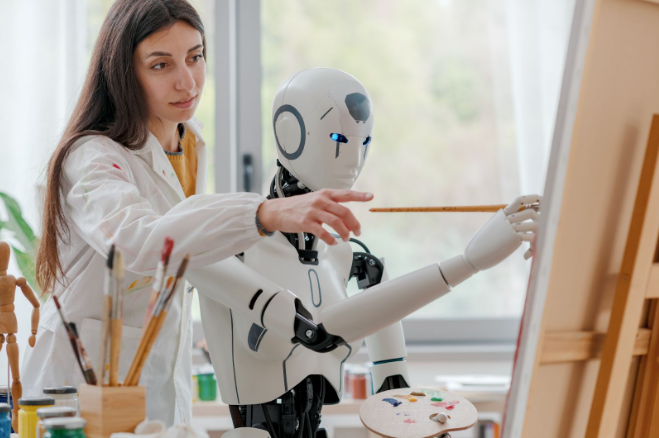
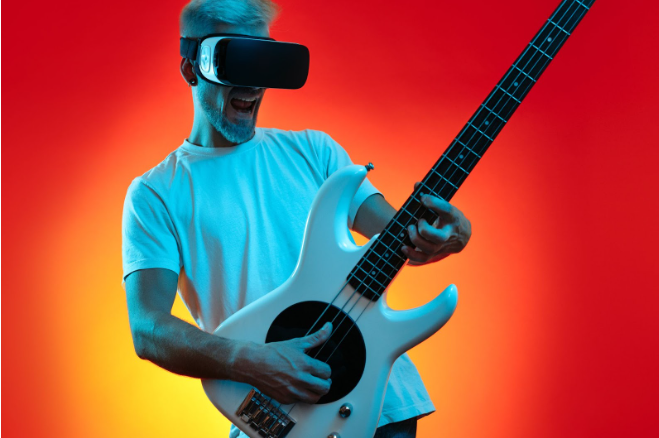
The most exciting developments I’m seeing involve artists and AI systems working together in genuinely collaborative ways—not with machines replacing humans, but each enhancing the other’s capabilities. A musician friend described his AI collaborator as “the most endlessly creative bandmate I’ve ever had, but one who needs my human judgment and emotional intelligence to create something truly meaningful.”
Conclusion: Our Collective Responsibility
We’re all participants in shaping this new creative landscape. Whether you’re an artist, consumer, or developer, your choices matter. The future of creativity isn’t about choosing between human and artificial intelligence—it’s about building an ecosystem where both can thrive ethically and sustainably.
What’s your experience with AI in creative fields? Have you encountered ethical dilemmas or inspiring solutions? Share your stories in the comments—this conversation needs all our voices.